

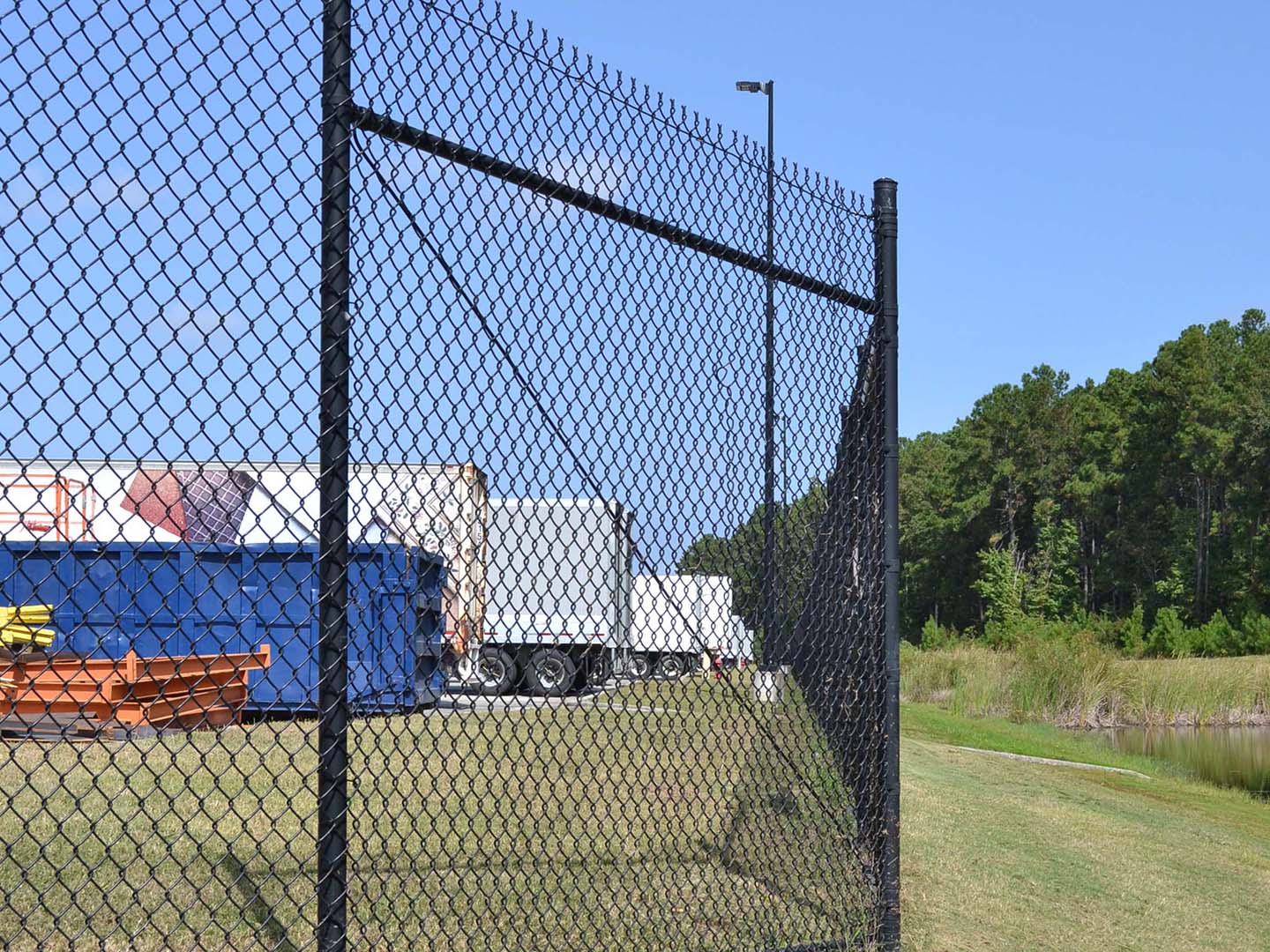
In Georgia, the answer depends on property ownership, fence location, and any agreements between neighboring businesses. If one owner builds a fence entirely on their property, that owner usually pays. Shared boundary fences often involve shared costs, but only when both parties agree.
How Georgia Law Views Shared Fences
Georgia does not require neighbors to split fence costs by default. State law focuses on ownership and consent rather than on automatic cost-sharing. A Savannah, GA aluminum fence placed fully within one property line, belongs to that owner, along with all responsibility for cost and upkeep.
When a fence sits directly on the property line, it may qualify as a boundary fence. In those cases, cost sharing depends on mutual agreement. Without written consent, one neighbor cannot force the other to pay. For official guidance, review the Georgia property statutes through the Georgia Code.
When Neighbors Typically Share Fence Costs
Shared payment usually occurs under specific conditions:
- Both neighbors agree to build or replace a boundary fence.
- A written agreement outlines cost, style, and maintenance.
Verbal agreements can cause disputes later, so written records matter.
The Role of Surveys
A property survey often resolves fence disputes. Surveys confirm boundary lines and clarify ownership before construction or remodeling begins at your business. Local survey requirements appear through county offices or licensed surveyors.
Situations Where One Neighbor Pays
One business property owner pays the full cost when:
- The fence sits fully within their property line.
- The fence serves a single purpose, such as providing safety from hazardous areas or controlling traffic.
- The business neighbor does not consent to share the construction.
In these cases, the fence owner also handles all future repairs.
Local Ordinances and Zoning Rules
In Chatham County and the City of Savannah, fence regulations can vary by zoning district, business type, and security needs for commercial and industrial sites. Height limits often differ between front, side, and rear yards, and corner lots may have added visibility requirements. Historic districts also restrict fence materials, styles, and placement, so confirming guidelines before installation is essential.
Professional Help Makes the Process Easier
Clear communication prevents disputes. A professional Savannah, Georgia fencing contractor helps confirm placement, review local codes, and install commercial fences that meet legal standards. Materials such as a Savannah, GA aluminum fence often suit shared boundaries because of their durability, clean appearance, while maintaining visibility of the surrounding areas.
Savannah Fence & Entry Systems provides guidance from planning through installation.
Take The Next Steps For Your Business Today!
So, who pays for a fence between neighbors in Georgia? Payment depends on ownership, placement, and agreement. Clear surveys and written consent prevent conflict. For expert guidance and dependable installation, contact us or call (912) 234-5188 to discuss your project today.